

NACM Founded...
... by 62 business leaders on June 23, 1896 in Toledo, Ohio. The idea was initiated a year earlier by William H. Preston.
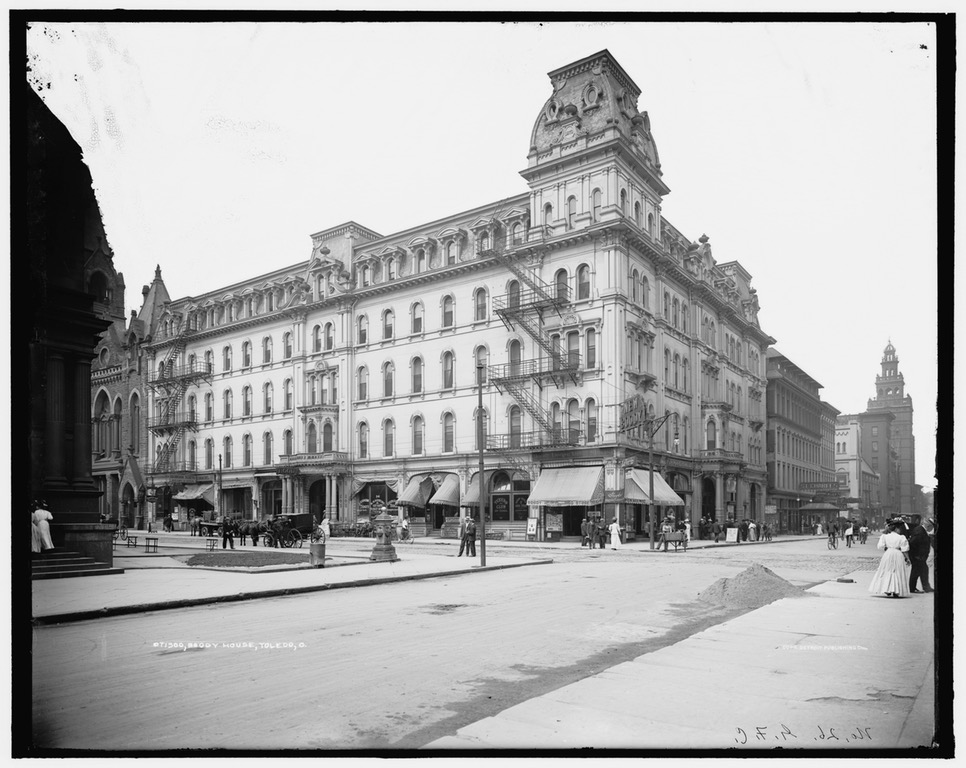
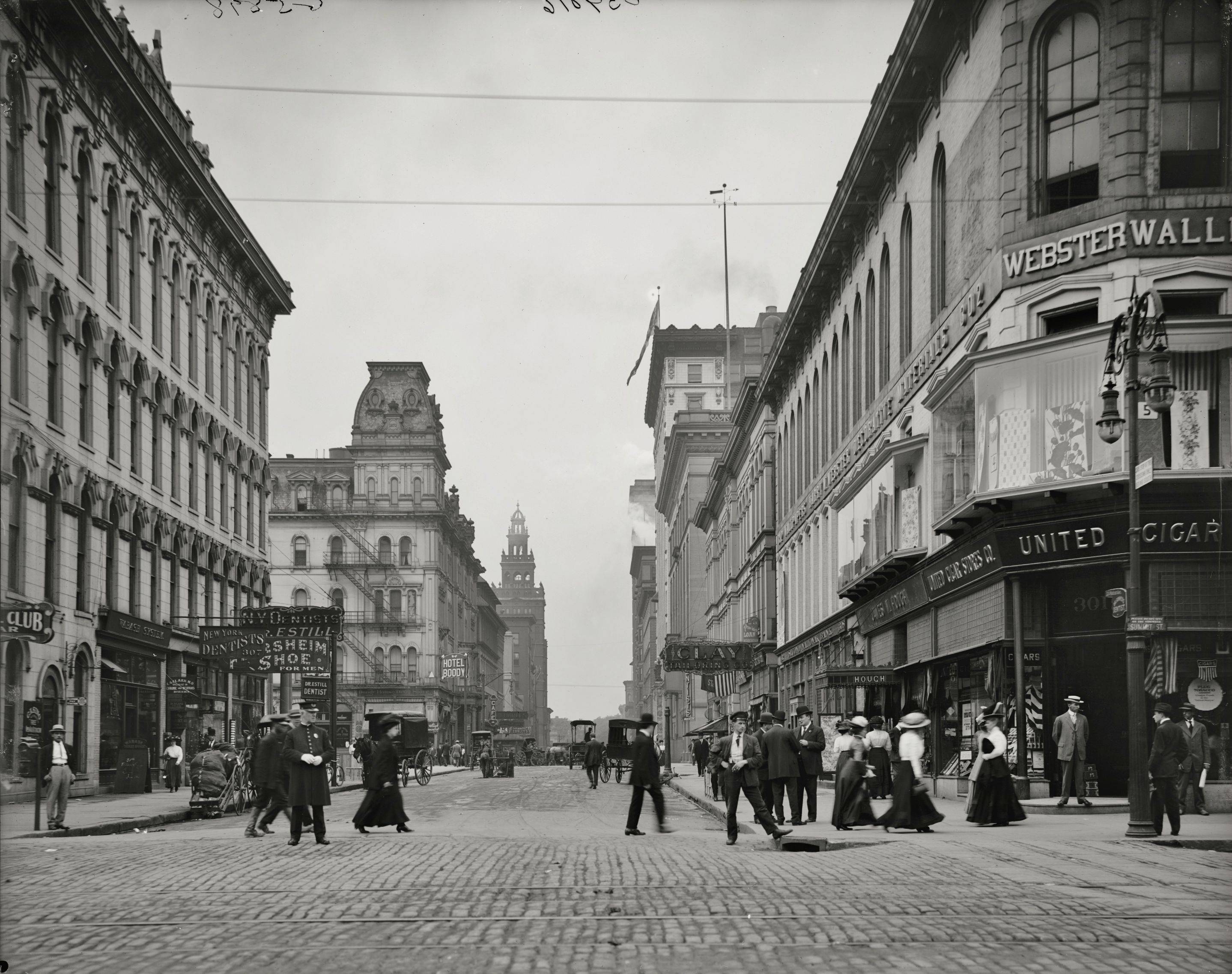
The Boody House, where NACM was founded.
First Official Credit Association Publication...
... the monthly Bulletin was founded, better known today as Business Credit magazine.
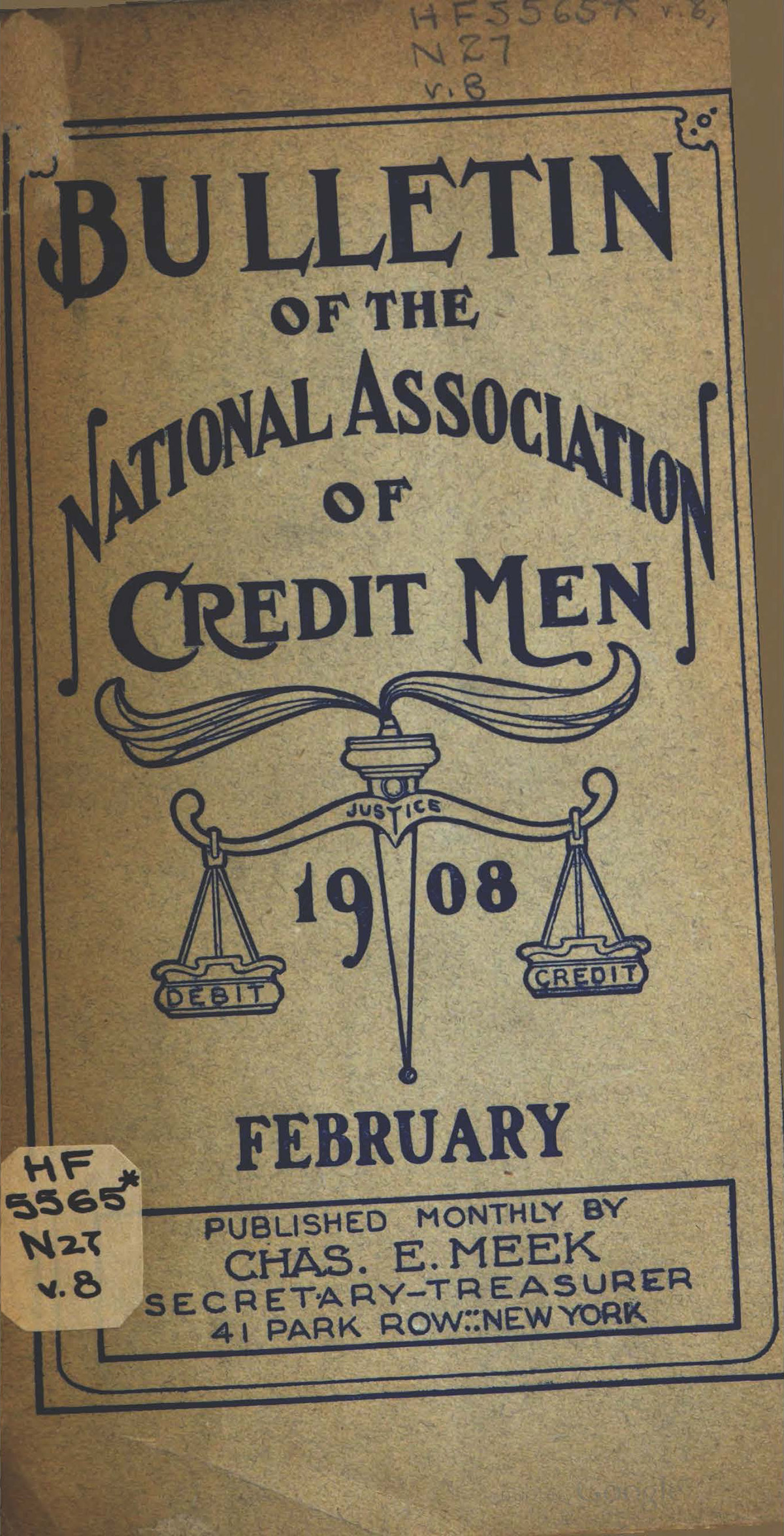
One of the earliest covers of the Bulletin.
Spanish–American War
Hostilities began after the explosion of the USS Maine in Havana Harbor of Cuba which led the United States to intervene in the Cuban War of Independence. America acquired many of Spain's possessions, including Puerto Rico, Guam, the Philippines and Cuba, which hastened the collapse of the Spanish Empire. The U.S. also annexed Hawaii.
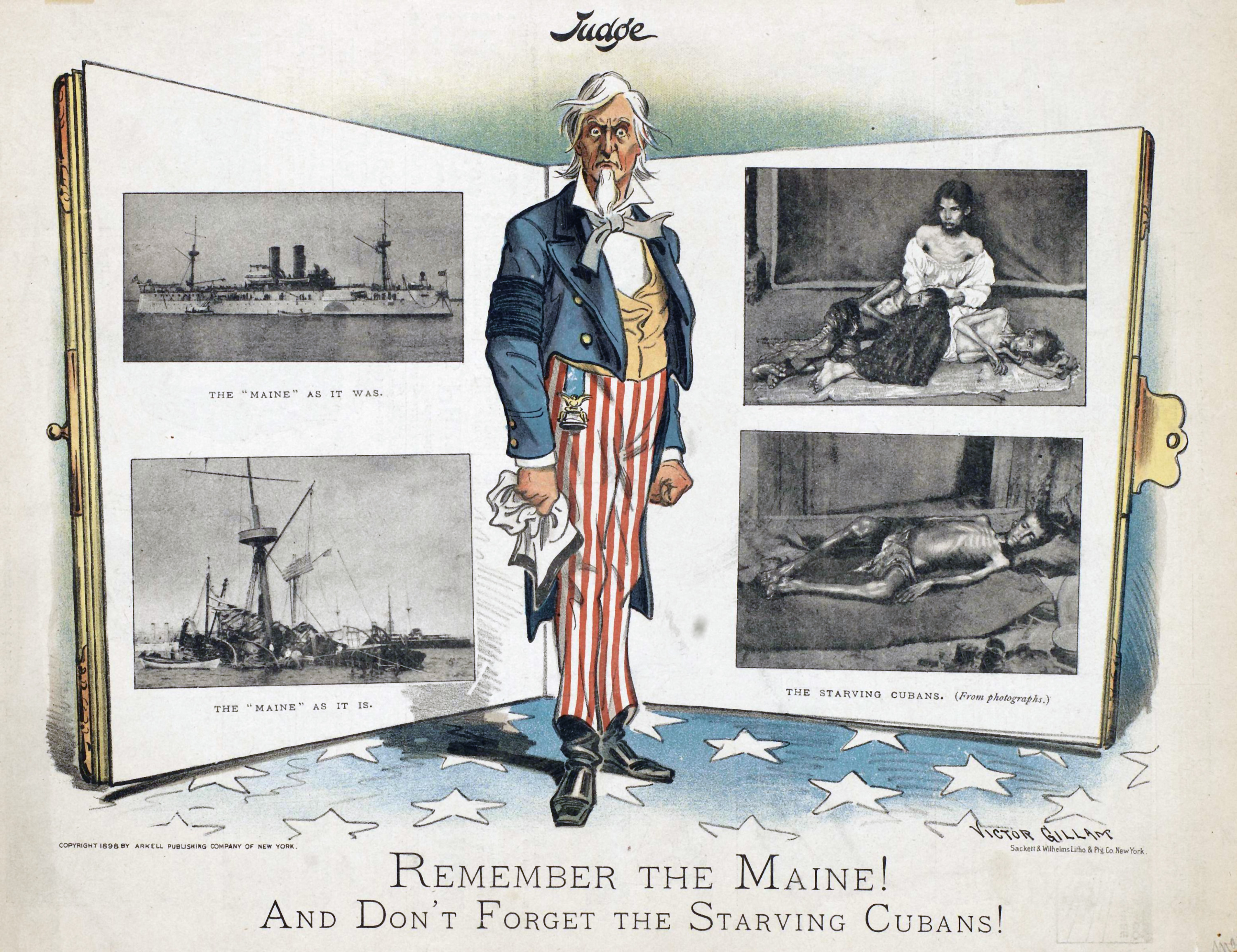
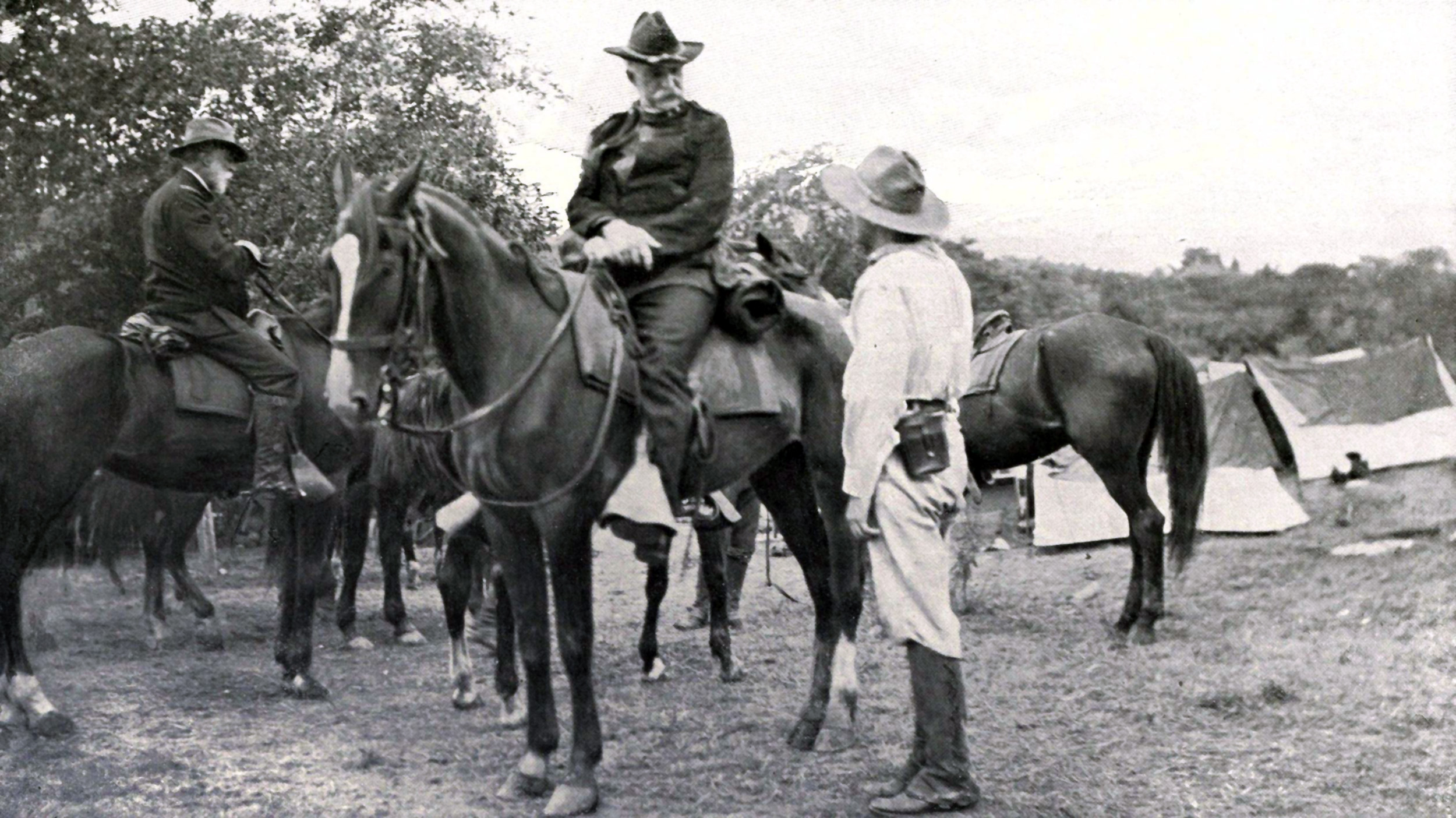
"Remember the Maine!" became the battle-cry of the war. Commanding General Miles (center, on horse) during the negotiations for the surrender of Santiago de Cuba.
Industry Groups Were Formed...
... at the Association's 1898 convention in Detroit, industry groups were formed to consider the credit problems of a specific industry and the groups continued to meet thereafter.
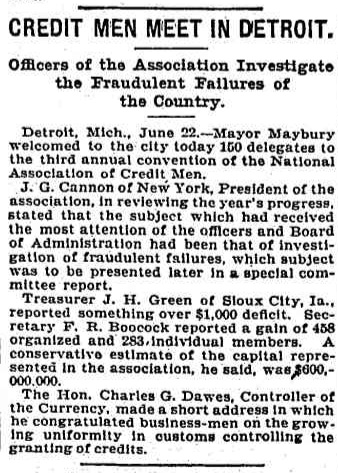
An article from the Chicago Tribune newspaper, June 23, 1898 edition.
Took First Steps...
... towards systematic prosecution of credit frauds.
Fictitious Name Laws
NACM inititiated a drive for enactment of Fictitious Name Laws, now on the statute books of all states.
National Credit Interchange Bureau System
Plans began for a National Credit Interchange Bureau System to exchange ledger experience among business houses.
Ray Amendatory Bill
Early in 1902, amending the National Bankruptcy Act was high on the association's agenda. The Referees in Bankruptcy were organized and joined forces with NACM's Legislative Committee in writing the Ray Amendatory Bill.
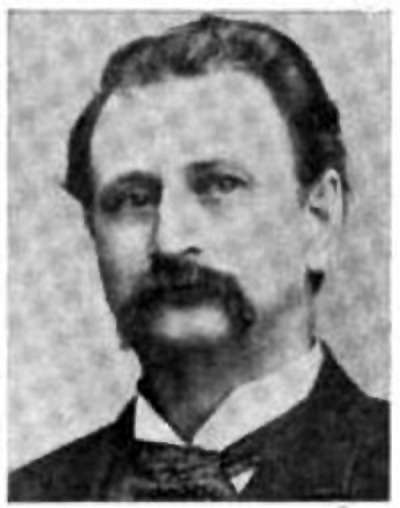
George W. Ray originally introduced the bill to Congress.
Raised Initial Funds...
... to prosecute commercial frauds.
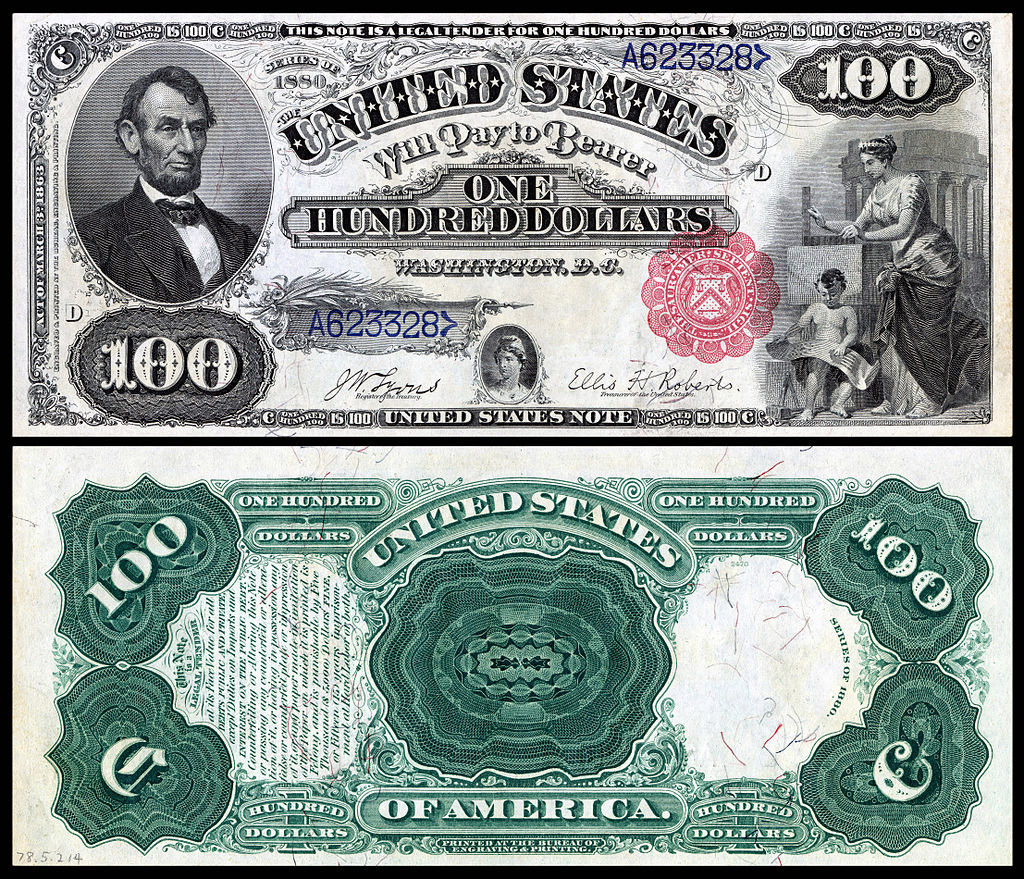
A $100 bill, the design of which was in use between 1880 and 1914.
A Glance Backward...
... clearly reveals that when the National Association's sixth year had passed, there had also passed an experimental period, and one fact was indisputable; the Association had come to stay.
Ray Amendatory Bill Signed
The Ray Amendatory Bill to the National Bankruptcy Act was signed by President Theodore Roosevelt.
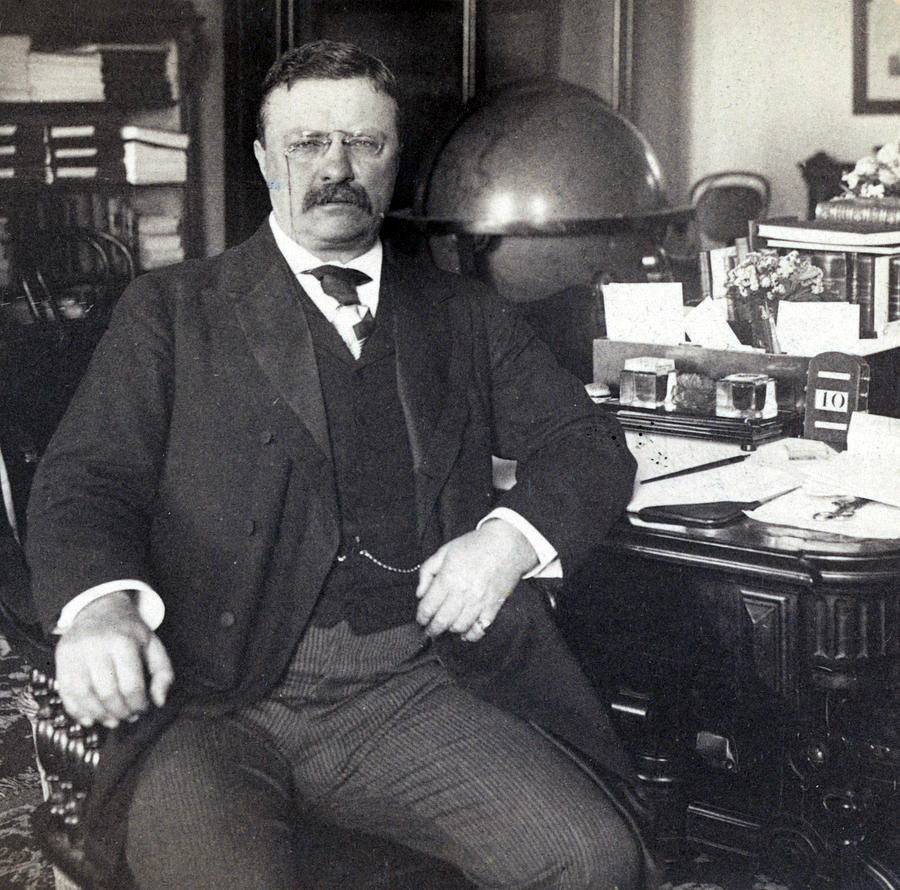
President Theodore Roosevelt, circa 1902.
First Powered Flight...
... by the Wright Brothers at Kitty Hawk, North Carolina.
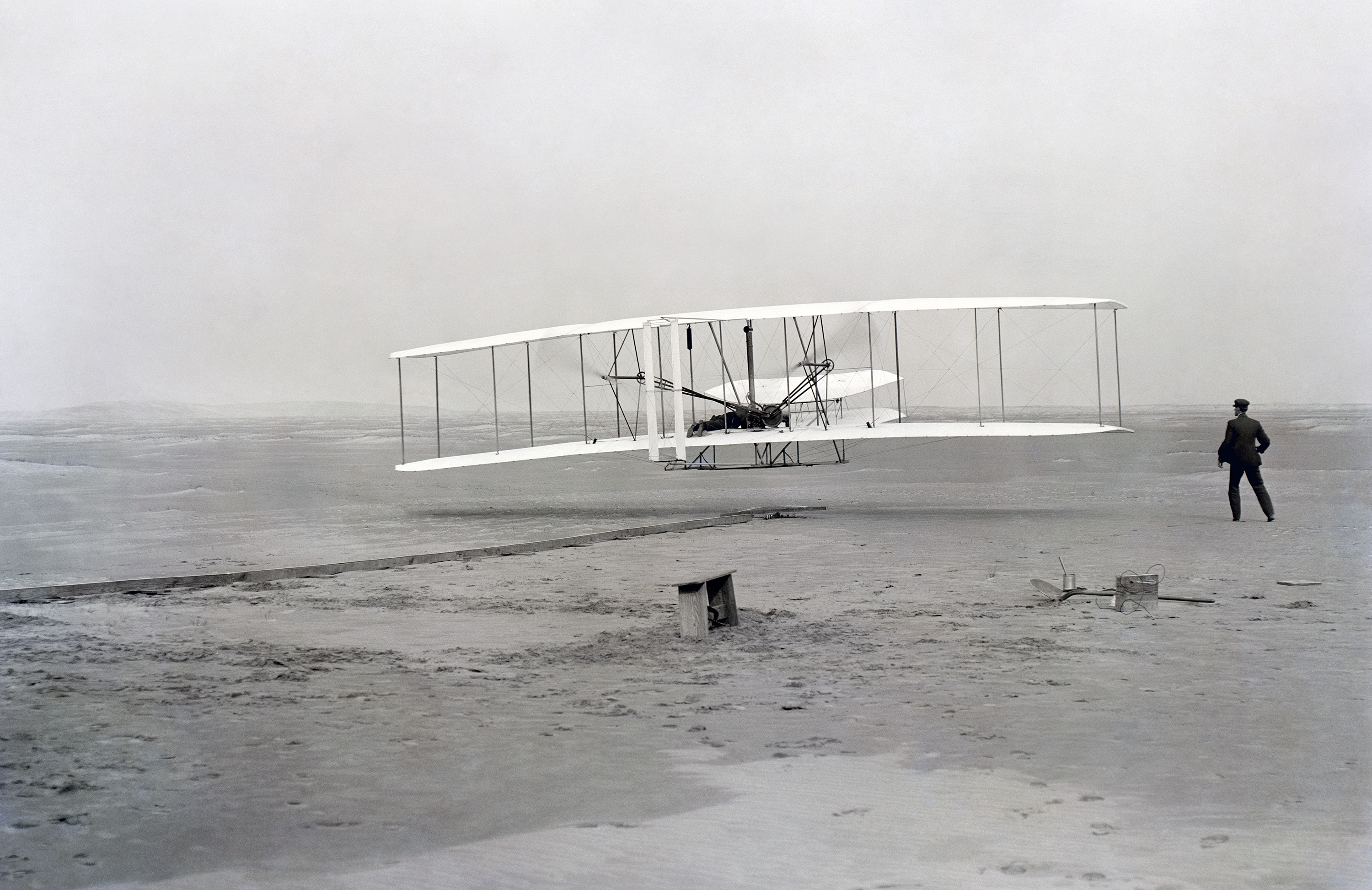
A photograph of the actual launching of the first powered flight, Orville piloted as Wilbur assisted with the launch.
False Financial Statement Legislation
NACM began successful effort to improve false financial statement legislation by strengthening its scope and provisions against credit buyers who misrepresented their financial condition.
First Industry Credit Groups...
... are organized.
Adjustment Bureaus...
... first developed to rehabilitate deserving debtors and liquidate businesses in difficulties, with minimum loss to creditors.
NACM Moved...
... from its first office at 20 Nassau Street, New York City, New York to 41 Park Row, New York City, New York.
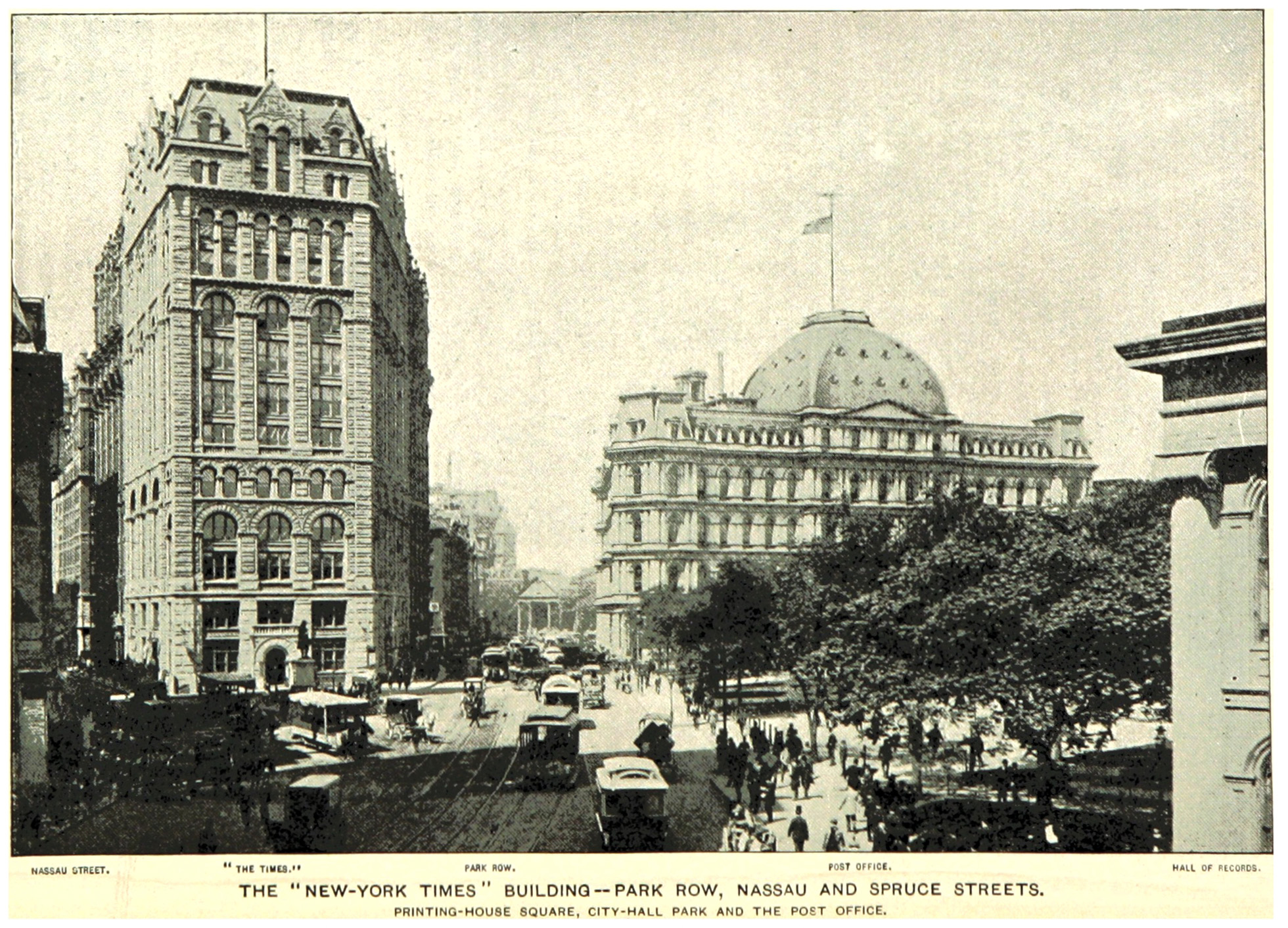
41 Park Row, center right.
The Bankruptcy Committee...
... appeared at a public hearing before the Judiciary Committee. The Association presented an amendatory bill which would bring the Bankruptcy Law more in line with the growing credit requirements.
Oklahoma...
... became the 46th state. Oklahoma struggled in becoming a state, there were many arguments over whether it should be a double state (with the state of Sequoyah being a Native American-majority state), a single state, piecemeal absorption, or admittance without the Indian territories. President Roosevelt signed the Oklahoma Enabling Act, which required the state to be formed from the merging of Indian and Oklahoma territories.
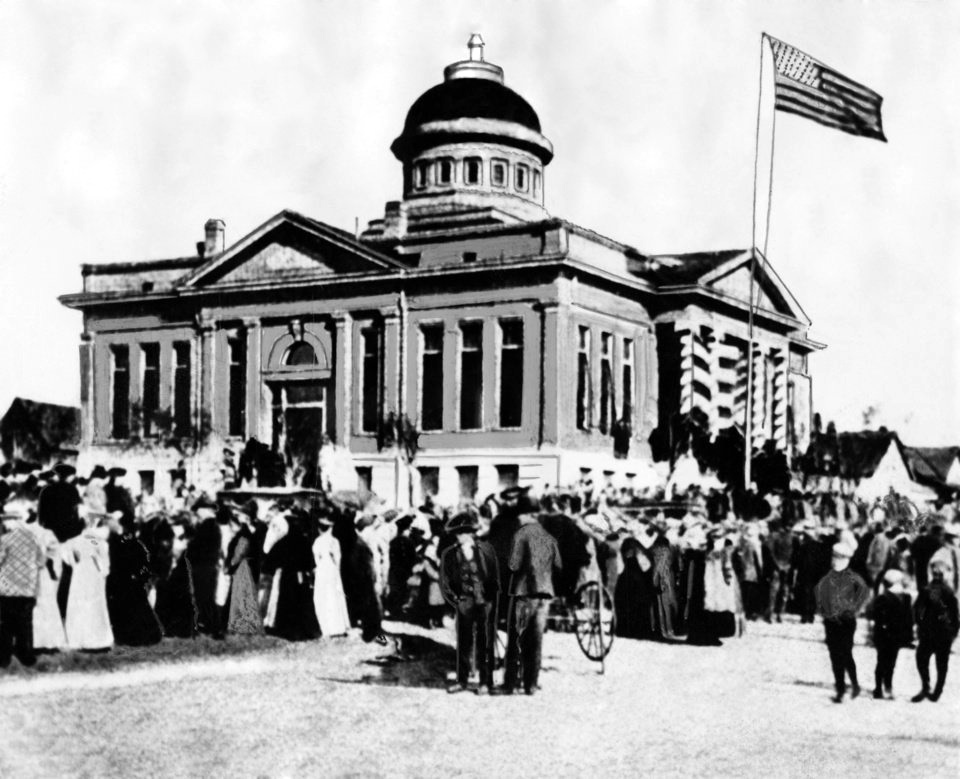
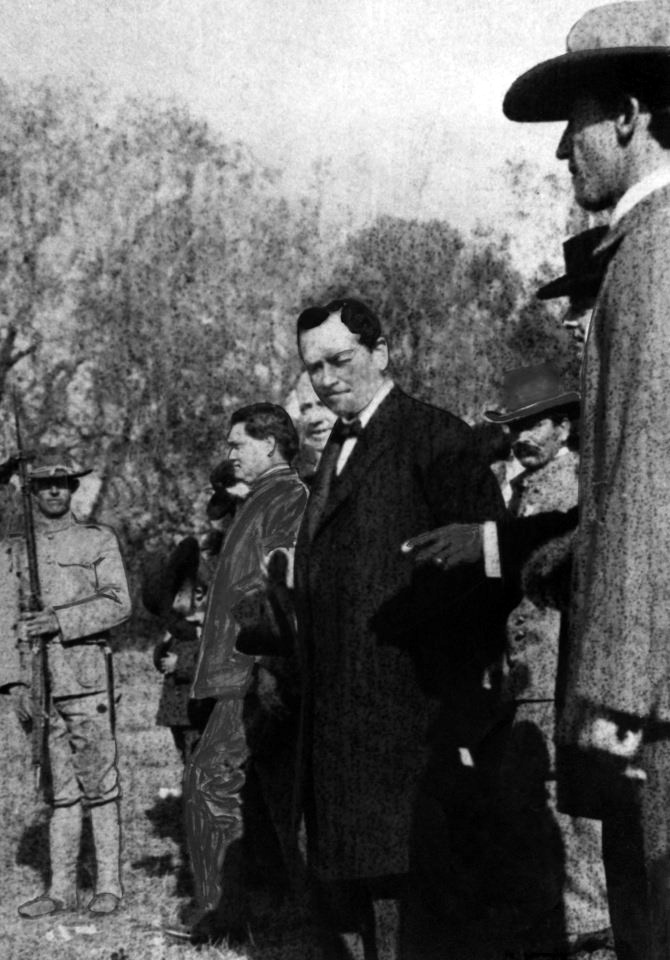
On left, 1906: the inauguration of Frank Fratz, the last governor of the Oklahoma territory. Pictured right is the first Oklahoma Statehood Day.
First Published the Credit Manual of Commercial Laws...
... known as the Credit Diary, an outstanding guide to federal and state laws and amendments affecting company credit policies and practices. Since then, the publication has been revised annually.
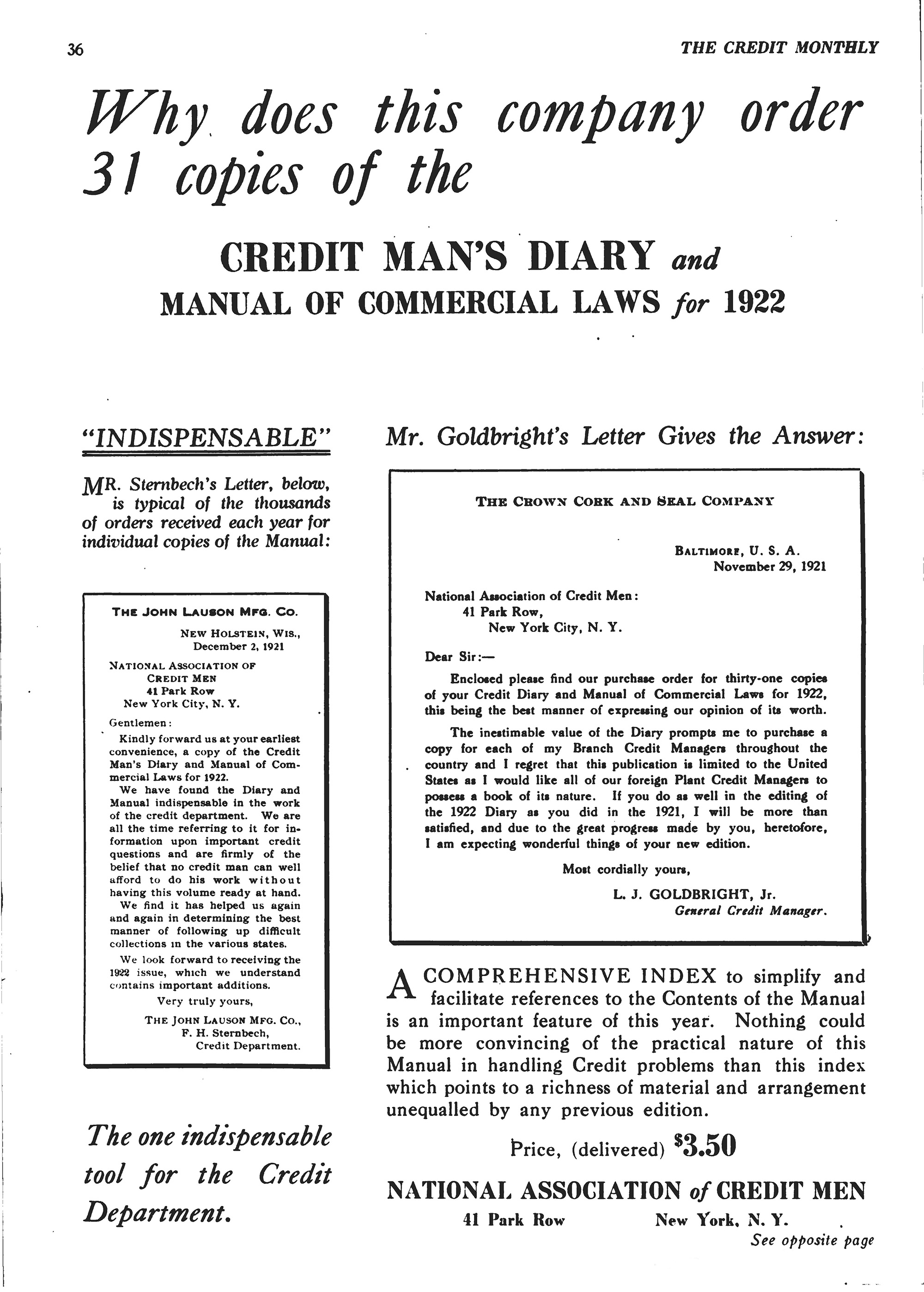
An early advertisement for Credit Diary and Manual of Commercial Laws.
The Model T is Produced
While automobiles had been produced in various forms for decades, it was the culmination of Henry Ford's numerous improvements in the Model T production that brought the power and convenience of the automobile to the masses.
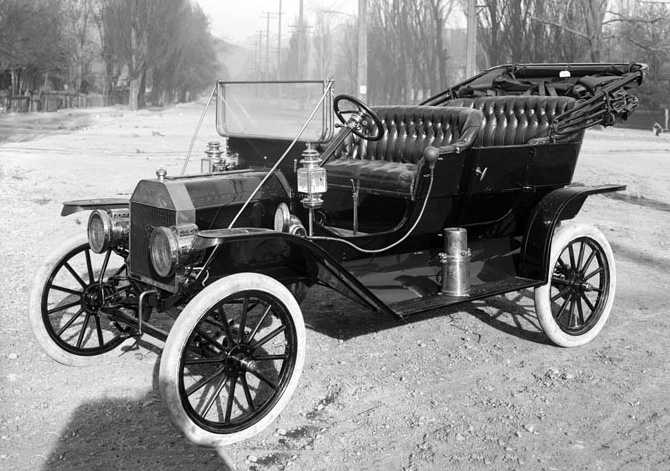
The Model T cost significantly less than other cars, which allowed the middle class to purchase one.
Appointed Banking and Currency Committee...
... which was destined to play a major part in the establishment of the Federal Reserve System.
Secured Amendment to National Bankruptcy Act...
... pertaining chiefly to regulating compensation of receivers and trustees, an era where great abuse had existed.
New Mexico...
... became the 47th state. New Mexico was formed out of territory ceded by Texas, in addition to territory fragmented by the Civil War. It was a long, difficult process of over 60 years for New Mexico to gain statehood.
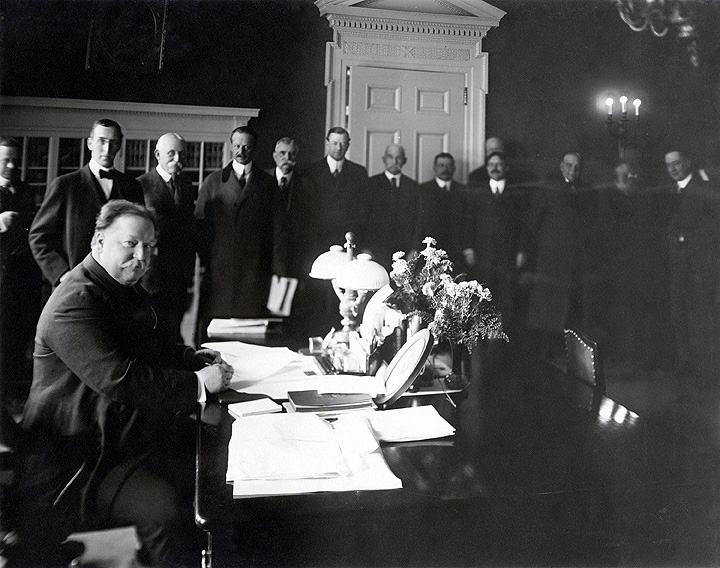
President Taft admitting New Mexico as a state.
Arizona...
... became the 48th state. Arizona splintered from the New Mexico territory during the Civil War, with Union forces controlling it. Much like New Mexico, it was a difficult transition from territory to state.
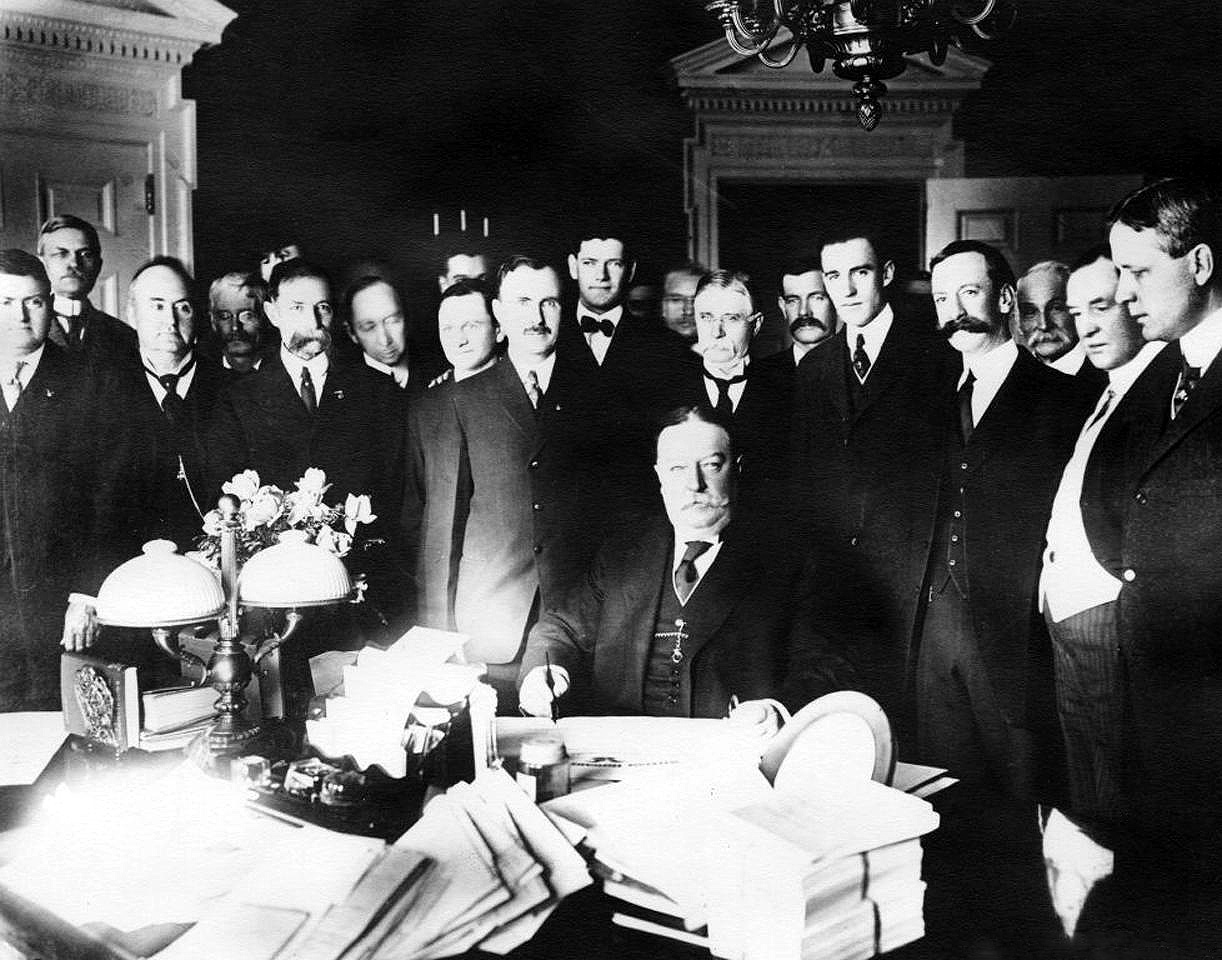
President Taft admitted Arizona as a state only after it removed from its constitution a provision for voting out judges. After it became a state it voted to restore the provision back into the state constitution.
The Credit Commerce of Forty-four States Was Protected...
... at the close of 1912 by Bulk Sales Statutes thanks to the endeavors of the Association and its Legislative Committee.
Special Committee for a Canon of Commercial Ethics
... established to explore the possibilities of presenting a unified, national canon of ethics.
Federal Reserve Act
NACM took an active part in obtaining passage of the Federal Reserve Act to make possible a more orderly flow of money and credit to business and public.
Credit Interchange Bureaus...
... took first steps toward amalgamating local Credit Interchange Bureaus into a national system.
The Robert Morris Club...
... a trade group of bank credit men within the NACM was formally organized, now known as Robert Morris Associates.
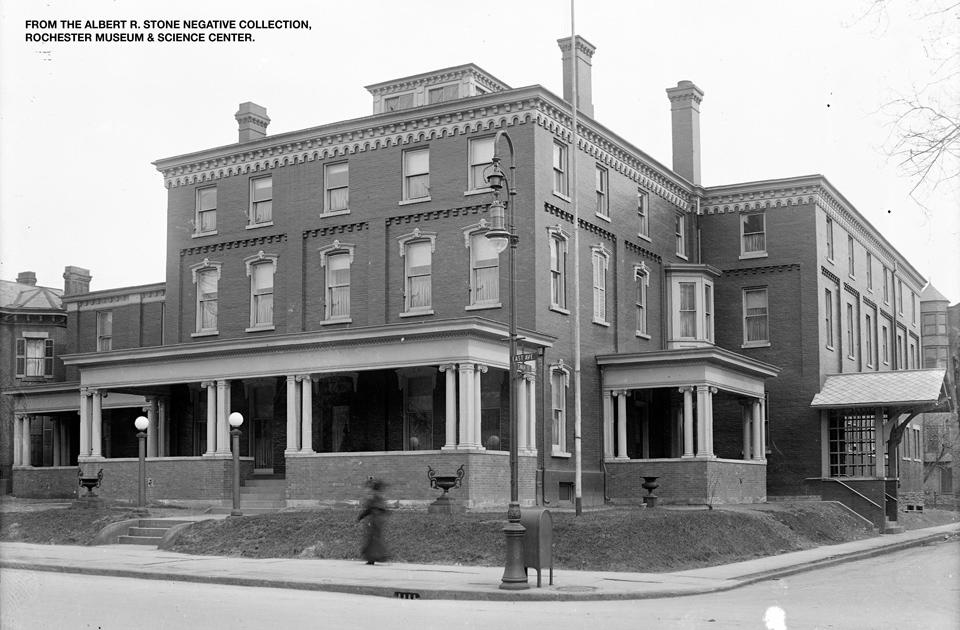
The Rochester Club, host of NACM's 19th annual convention, during which RMA formed.
U.S. Officially Opens the Panama Canal
The Panama Canal shortcut greatly reduced the time for ships to travel between the Atlantic and Pacific Oceans, enabling them to avoid the lengthy, hazardous Cape Horn route around the southernmost tip of South America.
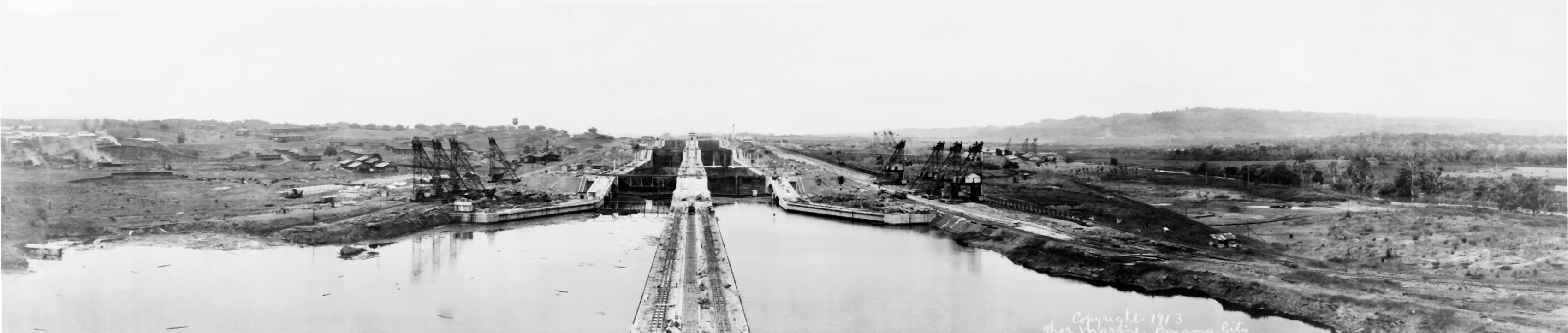
A panoramic view of the Panama Canal under construction in 1913.
False Statement Act
NACM's False Statement Act was on the Statute Books of one quarter of the states.
Bulk Sales Statute
By the end of the year, every state was protected by a Bulk sales statute. This protective legislation was a monument to the Association's untiring energy.
National Bankruptcy Law Amended Further
Complaints were again being made that the National Bankruptcy Law was not flexible enough to address the rapidly changing conditions. The NACM Bankruptcy Law Committee presented its recommendations for amending the law further.
Par Payment of Checks Provision
NACM spearheaded drive in hard-won Congressional fight to retain Par payment of checks provision in Federal Reserve Act, thereby saving business many millions of dollars.
U.S. Enters the Great War
In early 1917 Berlin forced the issue with the decision to try to sink every ship on the high seas. Arthur Zimmerman, the German foreign minister also approached Mexico for an alliance; Mexico would join Germany in a war and be rewarded with the return of lost territories from the U.S. Outraged public opinion now overwhelmingly supported President Wilson when he asked Congress for a declaration of war on April 2, 1917. He proclaimed that the United States had a moral responsibility to enter the war to make the world safe for democracy. The future of the world was being determined on the battlefield, and American national interest demanded a voice.
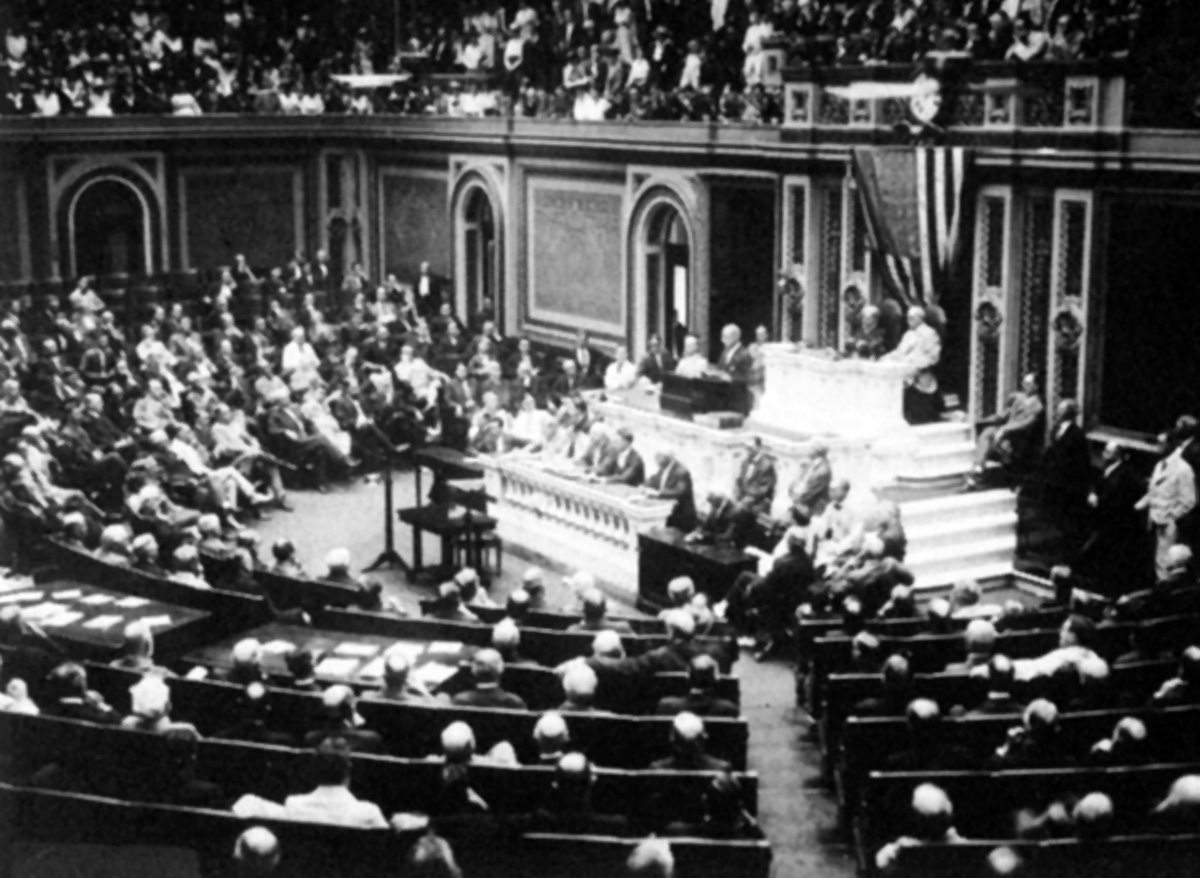
President Wilson before Congress, announcing the break in the official relations with Germany. February 3, 1917.
Credit Education...
... was now looming large and 22 credit classes were held at the convention in Kansas City. Nationalization of credit education began.
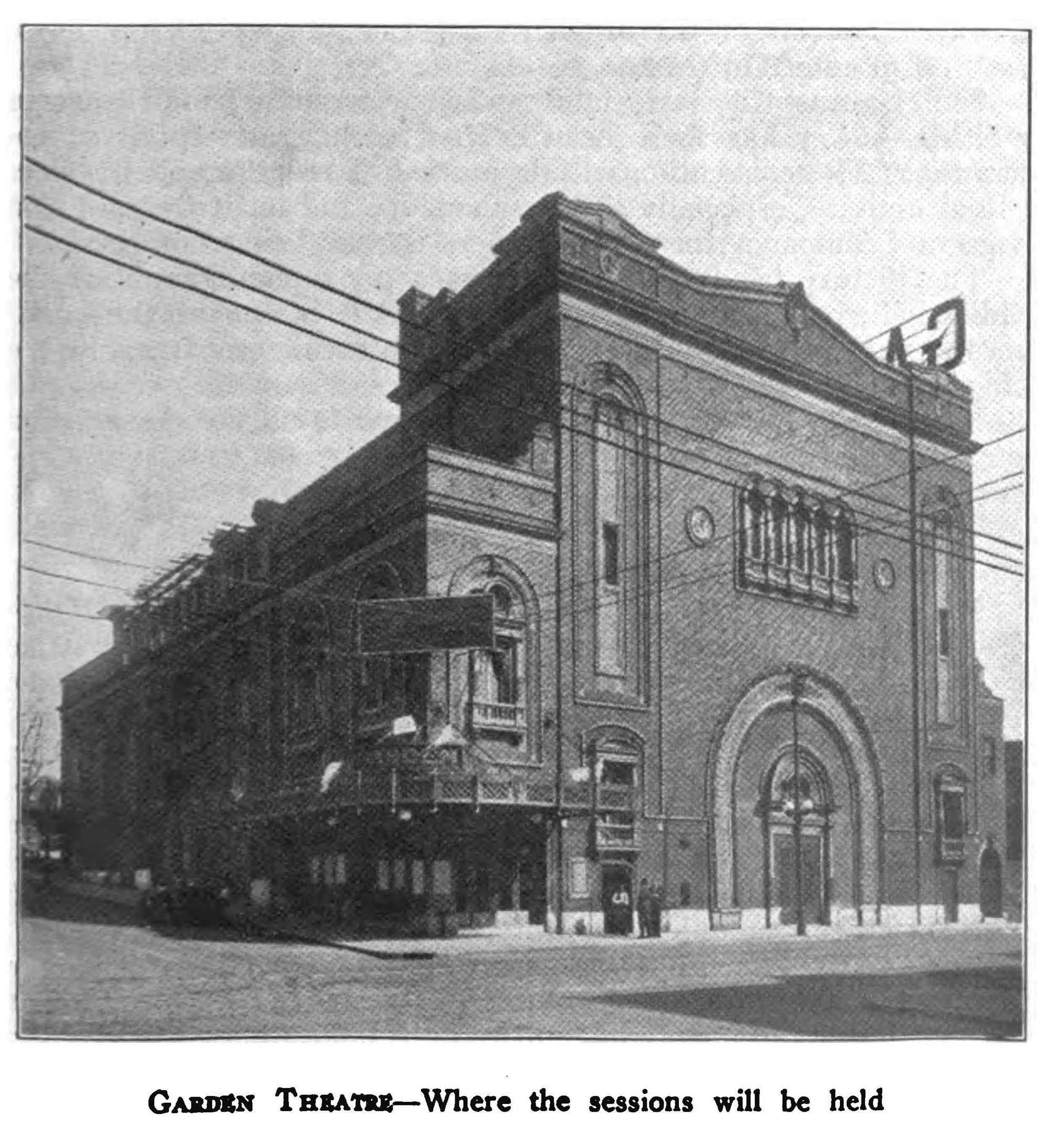
The Garden Theatre, host of NACM's 22nd annual convention, where the first sessions were held.
National Institute of Credit...
... established to provide training for men and women entering the credit profession.
Foreign Credit Interchange Bureau (FCIB) Established
Today known as FCIB Global, (Finance, Credit, and International Business association) the new bureau handled over 5,500 requests for information in the first few months alone.
Credit Interchange Bureau System...
... made national in scope through establishment of Central Bureau at St. Louis.
Silver Anniversary
Credit Monthly succeeded the Bulletin as the official publication.
NACM, with 33,092 members, was the largest commercial organization in the world.
The Credit Department, as a profit-making organ of the business enterprise, was recognized.
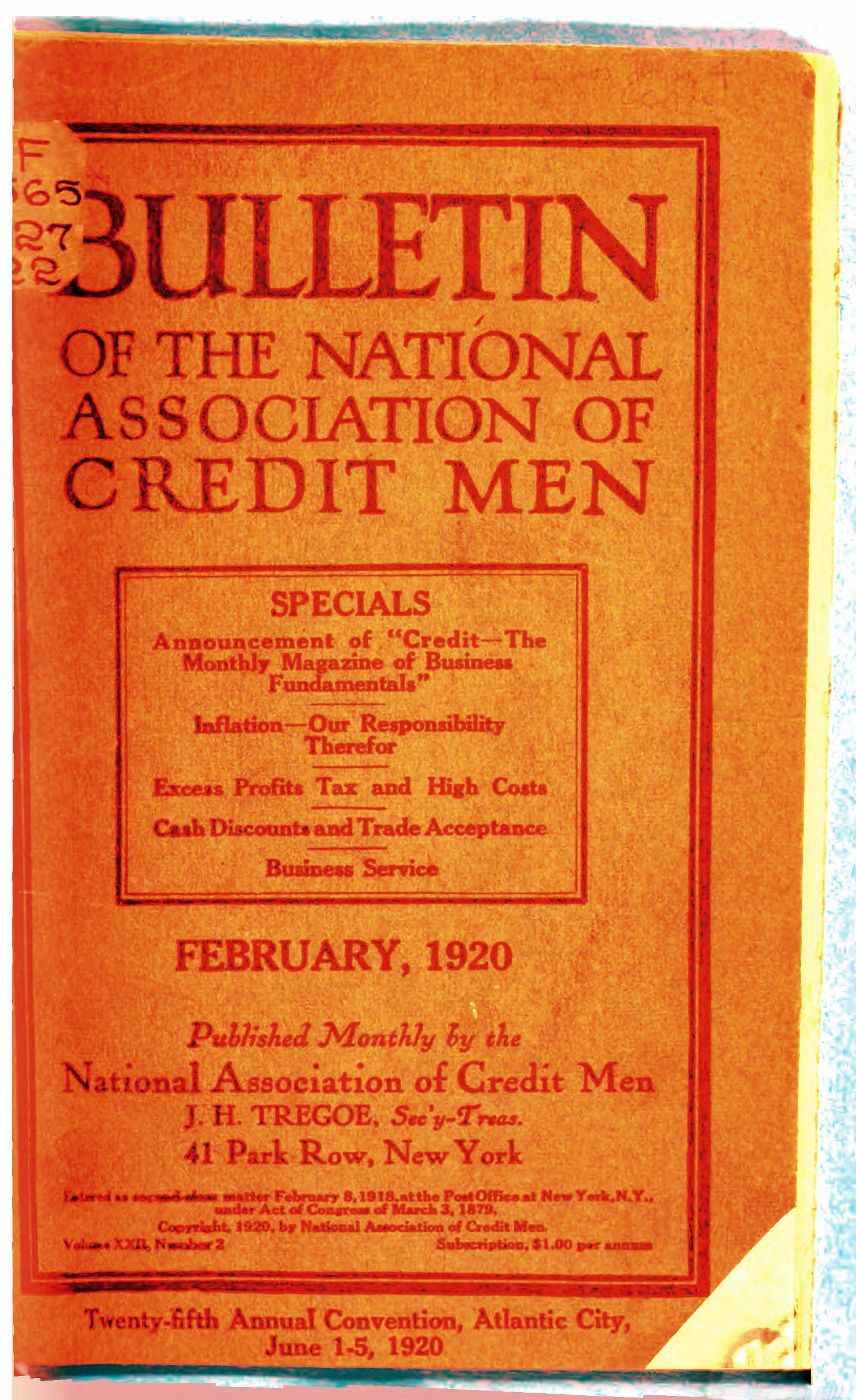
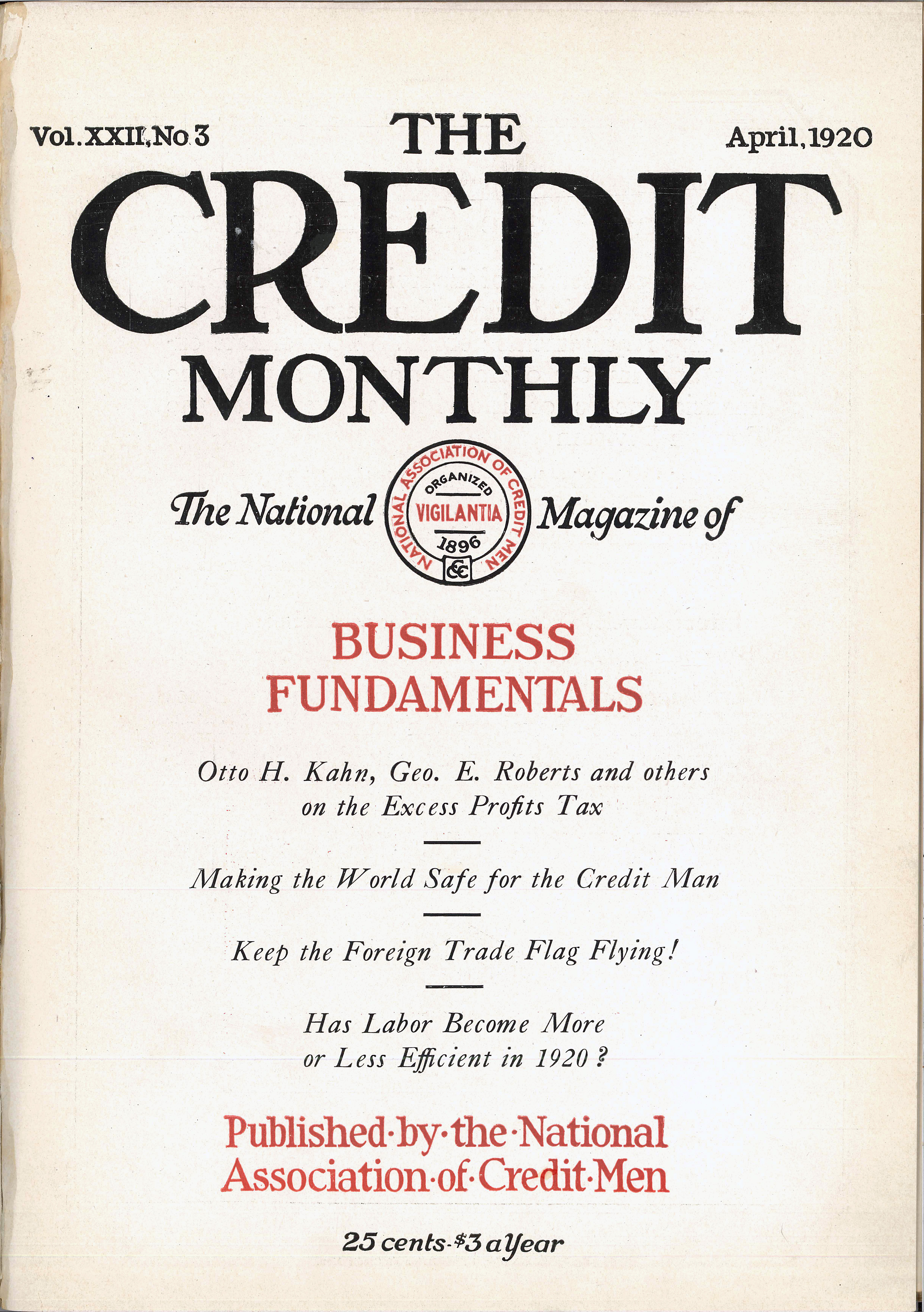
The last issue of the Bulletin and the first issue of Credit Monthly, today known as Business Credit.
Women's Suffrage in the U.S...
... reaches a turning point with the passing of the Nineteenth Amendment, which states: "The right of citizens of the United States to vote shall not be denied or abridged by the United States or by any State on account of sex."
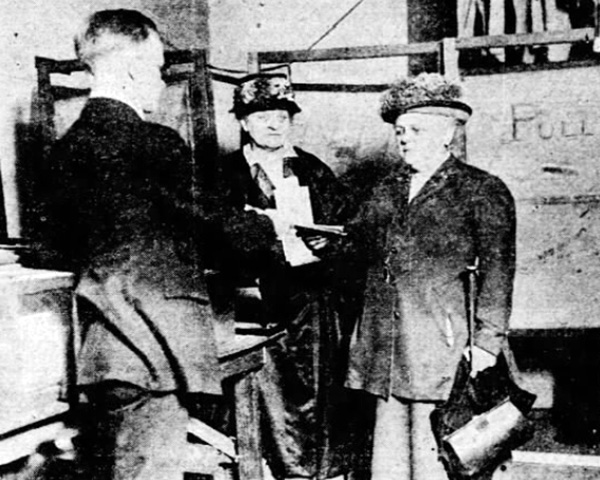
Carrie Chapman Catt (right) and Mary Garrett Hay (center) recieve their ballots to cast their votes for president. Catt and Hay were leaders and inspirations for other women suffragists.
Commercial Radio Begins in the U.S.
KDKA received the first federal license to begin broadcasting on November 2, 1920. Its signal covered much of the country.
